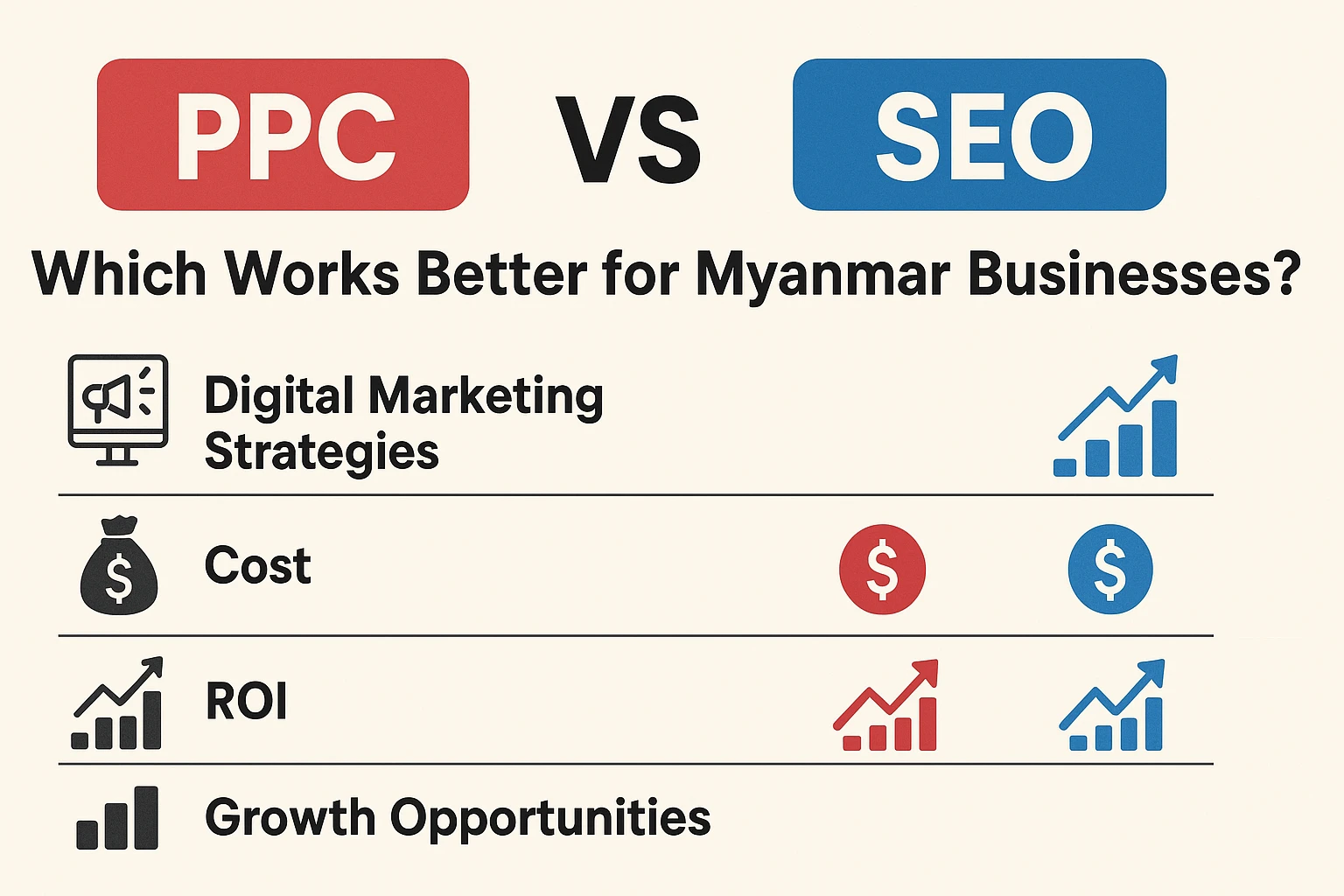
Every marketer hits this crossroads eventually, do you pay for visibility, or work to earn it? The answer isn’t as clean as either camp wants you to believe. Understanding sponsored links vs organic links goes well beyond SEO theory. It touches your budget, your brand’s credibility, and whether your results survive past next quarter.
The difference between sponsored and organic search results genuinely shapes how users behave, how much they trust you, and how your brand holds up over time. Consider this: organic search drives 53% of all website traffic. That figure alone tells you how much is riding on getting this right.
If you know how both link types actually work, and more importantly, when to use each, you gain a real edge over competitors still guessing.
Strategic Differences: Sponsored vs Organic in SEO Terms
These aren’t just different in cost. They’re different in how search engines read them, reward them, and ultimately rank your pages because of them. That distinction is foundational, and it’s also exactly where white hat link building separates serious, long-term marketers from those cutting corners and hoping for the best.
Acquisition and Intent
Organic links SEO means earning links through editorial merit, content that genuinely adds value, earns trust, and gets cited without any payment changing hands.
Sponsored links SEO, by contrast, involves payment, affiliate deals, or formal sponsorships. Google mandates `rel=”sponsored”` or `rel=”nofollow”` attributes on these, explicitly flagging them so ranking algorithms know they weren’t earned editorially.
Rankings and Link Equity
Organic links pass link equity. They function like votes of confidence from other sites, and over time, they push pages higher in search results.
Sponsored links? Deliberately ignored for ranking purposes. They don’t shift your position in SERPs, but they can absolutely put your brand in front of fresh audiences and generate direct traffic in the short run. That’s not worthless. It’s just different.
Visibility and Timing: Where Each Link Type Actually Shows Up
Placement on the SERP is where sponsored vs organic traffic differences become instantly obvious to any user. Both compete for attention, but the dynamics couldn’t be more different.
Speed and SERP Placement
Paid links appear almost immediately, at the top or bottom of results, through real-time ad auctions. Organic links require months of consistent effort before they settle into reliable positions.
That speed advantage for paid is real. But it’s also fragile. Stop paying, and the visibility stops too.
Click-Through Behavior and Trust
Here’s something worth sitting with: most users instinctively scroll past ads. They gravitate toward organic results because those feel unbiased and earned. Studies consistently back this up; organic results pull significantly higher click-through rates overall.
That said, on commercially driven keywords, sponsored results do capture a meaningful share of clicks. User behavior shifts based on intent. Neither channel dominates universally.
Long-Term ROI: Why Organic Usually Wins
SEO delivered a median ROI of 312%, outpacing paid advertising channels for sustained growth by a wide margin. That number deserves genuine attention before you default to a paid-only approach.
Cost-Effectiveness Over Time
Organic SEO demands real upfront investment, content, technical work, and link building. No question about it. But once rankings hold, traffic compounds without per-click costs eating into your margins.
Sponsored traffic works in reverse. The moment the budget disappears, so does your visibility. Zero residual benefit. Nothing carries forward.
Trust and Brand Credibility
Users consistently view organic results as more authoritative. That perception translates into lower bounce rates, better engagement, and stronger long-term brand equity.
Sponsored links still earn their place, particularly for product launches or filling gaps on high-intent keywords. But they rarely replicate the deep trust that a consistent organic presence builds over months and years.
What’s Changing: Trends Reshaping Both Link Types
AI, personalization engines, and tighter disclosure requirements are actively reshaping how links function across every major search platform. These aren’t distant concerns; they’re happening now.
Disclosure and Compliance
Google requires explicit tagging: `rel=” sponsored”`, `rel=”ugc”`, or `rel=”nofollow”` for non-editorial links. Miss this, and you’re not just risking algorithmic filtering, you’re risking manual penalties.
AI and Personalized SERPs
Research shows that mixing sponsored and organic results inside algorithmically personalized feeds can degrade result quality and user satisfaction. AI-driven search is creating new friction for both link types simultaneously.
Behavioral Effects Worth Acknowledging
Sponsored content can unconsciously shape user decisions, especially in health and finance. That’s a responsibility no advertiser should treat casually.
How to Use Both Strategies Together Effectively
A balanced approach to sponsored links SEO and organic methods isn’t just clever, it’s becoming necessary for any brand serious about competitive SERP presence.
Build for the Long-Term with Editorial Links
Create content worth linking to. Original research, detailed guides, and data-backed resources attract backlinks naturally, without payment, over time. That’s the compounding asset you’re building.
Use Sponsored Placements Responsibly
Always apply the correct `rel` attributes on paid links. Use sponsored placements strategically, capture high-intent traffic while your organic rankings build in the background. Don’t run them blindly.
Track Attribution Separately
Monitor conversion rates, cost-per-click, organic ranking shifts, and backlink growth as distinct data streams. Without clean attribution, you genuinely can’t tell what’s working.
Metrics That Tell You What’s Actually Working
Understanding the difference between sponsored and organic search results only produces results when you pair it with the right performance data.
Organic Metrics to Watch
Keyword rankings, backlink growth, session duration, SERP impressions, domain authority trends. These reflect compounding value that no paid campaign can replicate or replace.
Sponsored Metrics to Watch
CTR, cost-per-click, conversion rate, brand lift. And here’s something worth tracking: paid campaigns can indirectly support organic performance; every $100 in ads can generate approximately 3 organic installs as spillover.
Closing Thoughts
The sponsored links vs organic links debate has no single winner; it has a smarter approach. Organic builds credibility that compounds. Sponsored delivers targeted speed.
Together, with clear goals and honest attribution, both become far more powerful than either alone. The brands winning in search today aren’t picking sides. They’re being deliberate about when each strategy earns its place.
Frequently Asked Questions
Does SEO drive more traffic than organic social media?
Yes, by over 1,000%. SEO leads also close at roughly 14%, making it one of the highest-ROI channels available.
What separates sponsored links from organic links?
Sponsored links are paid placements that don’t pass link equity. Organic links earn placement through SEO merit and build long-term authority without ongoing payment.
Do sponsored links help SEO rankings?
Not directly. Tagged with `rel=”sponsored”`, they’re ignored for equity purposes, but brand visibility from paid campaigns can indirectly support organic performance over time.
How long before organic links deliver traffic?
Sponsored traffic arrives almost immediately. Organic links typically take three to six months, longer in competitive niches, before generating consistent search-driven traffic.
How should I label sponsored links?
Always use `rel=”sponsored”` on any paid or affiliate link. This keeps you compliant with Google’s guidelines and protects against manual penalties.