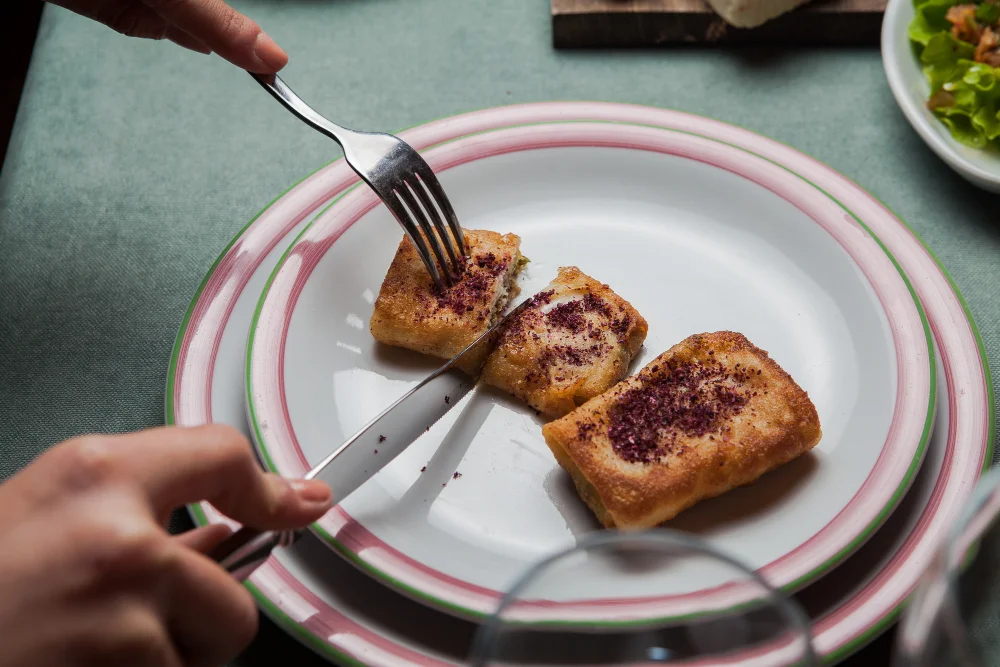
There is something deeply satisfying about a slice of perfectly toasted bread. Crisp on the outside, warm and tender on the inside, toast turns a simple staple into a comforting treat. Yet, many home cooks struggle to achieve consistent results. Whether you are making breakfast, preparing a quick snack, or crafting the base for gourmet toppings, understanding how to toast bread well can elevate your everyday meals. This guide will help you master the art of toasting bread with confidence and precision.
Understanding the Basics of Toasting
Toasting bread is more than applying heat. It is a balance of time, temperature, moisture content, and personal preference. At its core, toast is bread that has undergone controlled browning through heat. This browning comes from the Maillard reaction, a chemical process that creates new flavors and aromas.
What Makes Perfect Toast?
Perfect toast has several key qualities:
- Even Browning: The surface should be golden to deep brown, without burning or leaving pale spots.
- Balanced Texture: It should be crisp on the outside while still offering a soft, warm bite inside.
- Enhanced Flavor: Toasting intensifies the flavor of bread without overpowering it.
Achieving these qualities requires more than luck; it demands knowledge of your tools and ingredients.
See also Weber Grillvorführung 2025: How Smart BBQ Demos Are Transforming Outdoor Tech
Choosing the Right Bread
Not all bread is created equal when it comes to toasting. The type of bread you use directly affects texture, flavor, and how quickly it toasts.
Popular Bread Options
- White Bread: Toasters were invented for this classic. It toasts evenly and quickly.
- Whole Wheat: Heavier and denser, whole wheat requires a slightly longer time for rich browning.
- Sourdough: Offers robust flavor and a chewy texture that becomes delightfully crisp when toasted well.
- Artisan Loaves: Flavored or seeded breads add complexity but may toast unevenly if thick or irregularly shaped.
Bread Thickness Matters
Thin slices toast faster but may become overly crisp quickly. Thick slices hold warmth longer and offer a contrast between crunch and soft interior. Adjust your toasting method based on thickness.
Selecting the Best Toasting Tools
Your choice of equipment plays a major role in the outcome. There are three main ways to toast bread at home:
Traditional Pop-Up Toaster
This classic appliance remains popular for good reason. It offers controlled heat and consistent results.
Tips for Using a Pop-Up Toaster:
- Adjust the browning dial to match your preference.
- Avoid forcing oversized slices into narrow slots.
- Clean the crumb tray regularly for better performance.
Oven or Toaster Oven
Ovens provide flexibility for larger batches and specialty breads.
How to Toast in an Oven:
- Preheat your oven to 350–400°F (175–200°C).
- Arrange bread in a single layer on a baking sheet.
- Bake for 5–10 minutes, flipping halfway for even browning.
Ovens allow more control over time and are ideal for artisan or thicker breads.
Stovetop Method
Using a pan or griddle works well when you want direct contact heat and flavor.
Stovetop Toasting Steps:
- Heat a skillet over medium heat.
- Place bread in the dry pan or with a light spread of butter.
- Press gently and flip once golden brown.
This method offers greater control over texture and can enhance flavor with butter or oil.
Mastering Toasting Techniques
Understanding techniques helps you adapt to different breads and preferences.
Light Toast vs. Dark Toast
- Light Toast: Quick, gentle browning. Best for delicate breads and mild flavor.
- Dark Toast: Longer heat exposure for bold flavor and deep crunch. Ideal for hearty breads and toppings like avocado or nut butter.
Achieving Even Browning
Uneven toasting often results from inconsistent heat or bread placement. Here are ways to improve balance:
- Ensure bread is centered in the toaster slot or oven rack.
- If using a toaster oven, rotate halfway through.
- Avoid overcrowding in ovens or pans.
Butter or No Butter?
- Butter First: Spreads on bread before toasting for rich flavor and crisp edges.
- Butter After: Ideal if you want to control salt and avoid burning butter.
Both approaches yield great results; choose based on taste and bread type.
Flavoring Your Toast
Once you master the basic toast, you can explore endless topping combinations.
Classic Favorites
- Butter and Jam: Simple, timeless, and always satisfying.
- Peanut Butter and Banana: Balanced between protein and sweetness.
- Avocado and Sea Salt: Trendy yet nutritious.
Savory Selections
- Hummus and Herbs: Adds plant-based protein and aromatic freshness.
- Tomato and Basil: Light and bright, perfect for brunch.
- Egg and Hot Sauce: Bold and hearty for a substantial meal.
Sweet Treats
- Honey and Cinnamon: Warm flavors that comfort the soul.
- Nutella and Strawberries: Decadent and rich without being complicated.
Customize your toast to suit breakfast, lunch, dinner, or dessert.
Common Toasting Mistakes and How to Fix Them
Even experienced home cooks can make mistakes. Here’s how to correct them:
Burned Toast
Burning usually results from excessive time or high heat. Reduce the setting or monitor more closely next time. If only one side is burnt, scrape lightly and top with flavorful spreads.
Soggy or Uneven Toast
This can happen if bread is too moist or slots in the toaster are unevenly heated. Use slightly stale bread or dry slices before toasting. In ovens, flip bread halfway for balance.
Toast Too Hard
If your toast becomes overly crisp and breaks, reduce the toasting time or choose a lower setting. Thinner breads need less time to avoid becoming brittle.
Creative Toasting Ideas
To keep your toasting exciting, try these creative twists:
Infused Toast
Brush bread with a garlic-infused olive oil before toasting for a burst of flavor. This works beautifully with sourdough or whole wheat.
Sweet Crunch Toast
Sprinkle a touch of cinnamon sugar on buttered toast mid-toasting for a lightly caramelized finish.
International Toast Styles
Experiment with styles like:
- French Toast: Soak slices in egg and milk, then toast in a skillet for a breakfast classic.
- Bruschetta Toast: Top toasted bread with diced tomatoes, olive oil, and herbs.
- Cinnamon Raisin Toast: Choose cinnamon raisin bread and elevate it with a warm cream cheese spread.
These variations make toast exciting and versatile.
Caring for Your Toasting Equipment
Proper maintenance ensures consistent results and prolongs the life of your tools.
Cleaning Toasters and Ovens
Empty crumb trays after each use. For ovens, wipe down racks and remove any stuck crumbs to prevent smoke and uneven heat.
Storage of Bread
Store bread in a cool, dry place. If you plan to toast later, let it sit uncovered briefly before toasting to reduce moisture.
Conclusion
Perfecting toast is an art that blends technique, tools, and personal taste. Whether you use a pop-up toaster, oven, or stovetop, understanding how heat interacts with bread empowers you to craft consistent, flavorful toast every time. With the right bread, proper technique, and creative toppings, toast becomes more than a side dish— it becomes a highlight of your meal. Start with the basics, experiment with flavors, and soon you will master the craft of toasting bread like a pro.