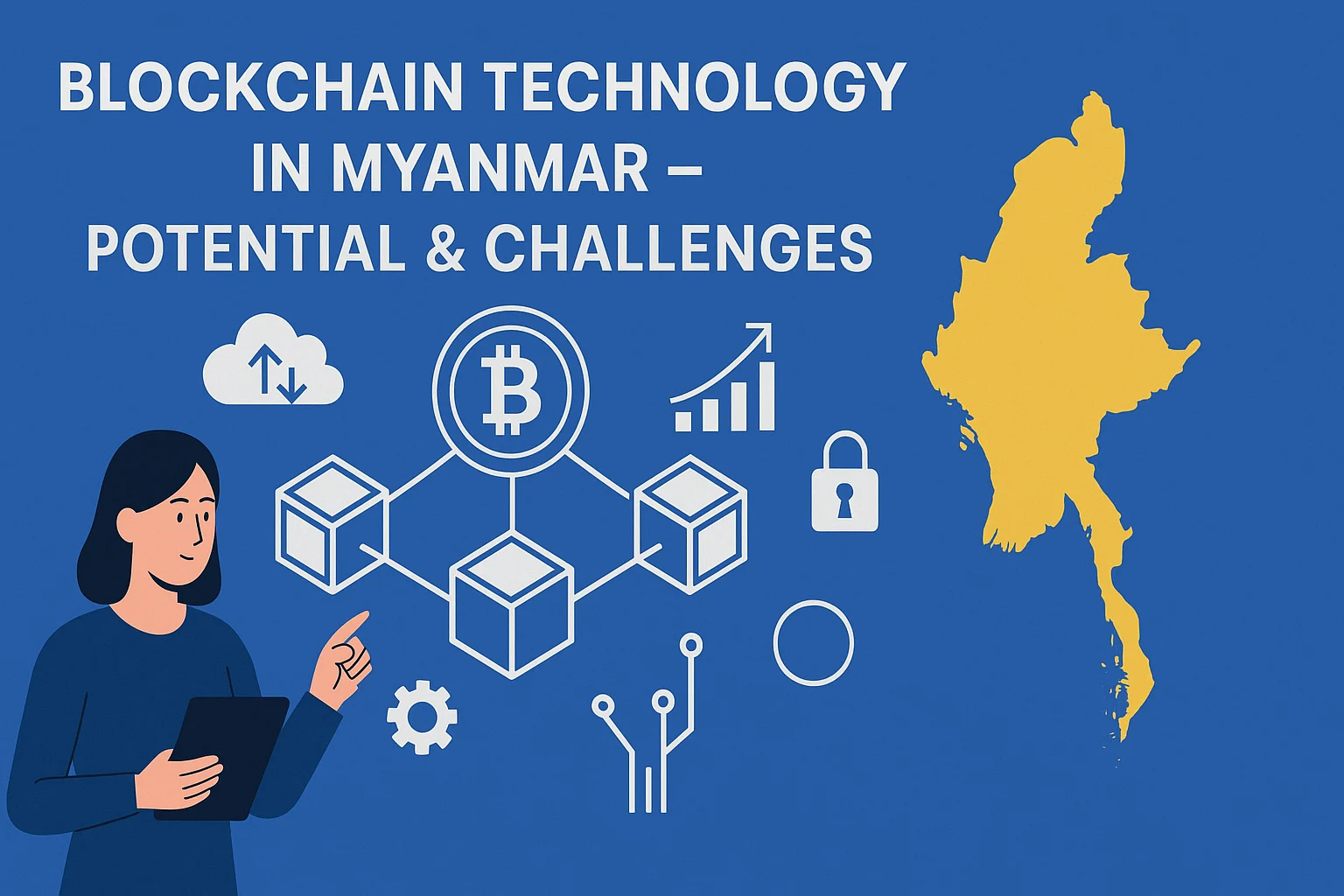
Technology continues to evolve rapidly across Asia, and Myanmar is gradually aligning with regional digital transformation. While infrastructure and policy challenges remain, new data shows steady growth in internet usage, mobile penetration, fintech adoption, and digital services. Today, technology in Myanmar is influencing agriculture, banking, education, healthcare, and entrepreneurship in practical and measurable ways.
In this updated article, we explore the most important technology trends shaping Myanmar right now. We focus on Artificial Intelligence (AI), Blockchain, Internet of Things (IoT), Cloud Computing, Digital Payments, and Remote Work — based on current developments and regional shifts.
Why Technology Matters for Myanmar Today
Technology is no longer optional. It is becoming essential for economic resilience and competitiveness.
Here’s why digital transformation is critical for Myanmar:
- Rising Internet Penetration: Mobile-first internet usage continues to dominate, with smartphones acting as the primary digital gateway.
- Youth-Driven Digital Growth: A large young population is increasingly active in freelancing, e-commerce, and tech learning.
- Regional Competition: Neighboring ASEAN countries are investing heavily in digital economies.
- Financial Inclusion Needs: Millions remain underbanked, creating strong demand for fintech solutions.
Despite economic and political complexities, digital tools are helping businesses adapt and survive.
Artificial Intelligence (AI) in Myanmar
Artificial Intelligence is gradually entering Myanmar’s business and service sectors. While adoption remains early-stage compared to countries like Singapore or Malaysia, practical use cases are expanding.
How AI Is Being Used
Customer Service Automation
Local businesses are deploying AI chatbots on Facebook and websites to handle customer queries.
Healthcare Support Tools
AI-based diagnostic support systems are being introduced in private hospitals to assist doctors in image analysis and patient data management.
Language Processing
AI models are improving Burmese language recognition and translation tools, helping businesses localize digital services.
Agricultural Forecasting
AI-driven weather prediction and crop analytics are being tested to improve yield planning in rural regions.
Market Direction
- AI adoption is strongest in fintech, telecom, and digital marketing.
- Startups are using AI-powered analytics for business intelligence.
- Regional partnerships with ASEAN tech firms are increasing AI knowledge transfer.
AI growth in Myanmar depends heavily on improved digital literacy and cloud infrastructure.
Blockchain and Digital Finance
Blockchain technology is being explored primarily through financial services and transparency systems.
Although cryptocurrency regulation remains restrictive, blockchain itself is gaining attention for secure record-keeping and transaction management.
Current Applications
Cross-Border Payments
Blockchain-based systems are being evaluated to reduce transaction costs for remittances.
Supply Chain Transparency
Agricultural exporters are exploring blockchain tracking to verify product origin and quality.
Digital Identity Concepts
Some fintech innovators are studying blockchain frameworks for secure digital ID solutions.
Fintech Expansion
Mobile wallets such as Wave Money and KBZPay continue to dominate digital transactions. These platforms are expanding QR payments, merchant networks, and microfinance integrations.
Digital payments are increasing due to limited access to traditional banking in rural areas.
Internet of Things (IoT) in Myanmar
The Internet of Things connects physical devices to the internet, enabling smarter operations.
IoT adoption in Myanmar is still emerging but shows strong potential in agriculture and logistics.
Key Use Cases
Smart Farming
Sensors for soil monitoring, irrigation control, and weather tracking are being introduced through pilot projects.
Fleet and Logistics Tracking
Transport companies are using GPS-based IoT systems to monitor delivery routes and fuel efficiency.
Energy Monitoring
Industrial facilities are experimenting with IoT meters to manage electricity consumption more efficiently.
Infrastructure Challenge
Reliable connectivity is required for IoT growth. Telecom providers such as Telenor Myanmar (before restructuring) and MPT have contributed to expanding network coverage, though connectivity gaps remain in rural regions.
Agriculture remains the most promising sector for IoT adoption due to its central role in Myanmar’s economy.
Cloud Computing and Digital Infrastructure
Cloud computing is becoming the foundation of digital services in Myanmar.
Businesses are moving from physical servers to cloud-based platforms for cost efficiency and scalability.
Current Trends
SME Digitalization
Small and medium enterprises are using cloud tools for accounting, inventory, and communication.
E-Learning Platforms
Educational institutions increasingly rely on cloud systems to deliver online classes and digital content.
Data Backup and Cybersecurity
Companies are shifting to cloud storage to protect against data loss and system failures.
Global providers like Amazon Web Services and Google Cloud are indirectly serving Myanmar-based developers and startups through regional data centers.
Cloud growth depends on improved broadband stability and cybersecurity awareness.
Digital Payments and E-Commerce Expansion
Digital commerce is accelerating due to mobile usage growth.
Online marketplaces and social commerce (especially Facebook-based selling) dominate Myanmar’s e-commerce environment.
Key Drivers
- Increased mobile wallet adoption
- Growing trust in online transactions
- Expansion of local delivery services
Businesses are integrating QR payment systems and digital invoicing.
E-commerce platforms are also adopting AI-driven product recommendations and automated marketing tools to improve customer experience.
Remote Work and Freelancing
Remote work is no longer temporary — it is a structural shift.
Myanmar’s young professionals are increasingly active in global freelancing markets.
Current Landscape
- IT developers and designers work for international clients.
- Content writers and digital marketers operate remotely.
- Hybrid work models are expanding in urban centers.
Freelancing platforms are enabling income opportunities without geographic relocation.
Improved internet reliability and digital skill training programs are supporting this trend.
Cybersecurity and Digital Awareness
As digital usage grows, cybersecurity risks also increase.
Businesses are becoming more aware of:
- Phishing attacks
- Data breaches
- Online fraud
There is growing demand for cybersecurity training and secure digital payment systems.
Financial institutions are investing more in fraud detection systems powered by AI analytics.
Industry Impact Overview
Here is how technology is reshaping Myanmar’s key industries:
Agriculture
- AI-powered crop analysis
- IoT irrigation systems
- Blockchain-based export verification
Healthcare
- AI-assisted diagnostics
- Cloud-based patient records
- Telemedicine services
Banking & Finance
- Mobile wallet expansion
- Blockchain payment exploration
- AI fraud detection systems
Education
- Cloud-based learning platforms
- AI tutoring tools
- Digital skill development programs
Retail & E-commerce
- Mobile-first shopping platforms
- AI personalization
- QR payment systems
Key Challenges Slowing Growth
Despite progress, Myanmar faces several limitations:
- Infrastructure instability
- Limited broadband in rural regions
- Regulatory uncertainty
- Digital literacy gaps
However, innovation continues at the startup and SME level, showing resilience and adaptability.
Future Outlook
Myanmar’s technology ecosystem remains in a developing stage, but momentum is visible.
Growth will likely depend on:
- Stable digital infrastructure
- Regional tech partnerships
- Investment in digital education
- Regulatory clarity
If these conditions improve, Myanmar can strengthen its participation in ASEAN’s digital economy.
Final Thoughts
Technology in Myanmar is evolving steadily. Artificial Intelligence, Blockchain, IoT, Cloud Computing, Digital Payments, and Remote Work are shaping how businesses operate and how people earn income.
While challenges remain, digital adoption is no longer a trend — it is becoming a necessity.
Myanmar’s transformation may not be as fast as some regional neighbors, but the foundation for long-term digital growth is clearly forming.
To learn more about how AI is already shaping local industries, check out AI and Digital Solutions: How Technology is Changing Myanmar.