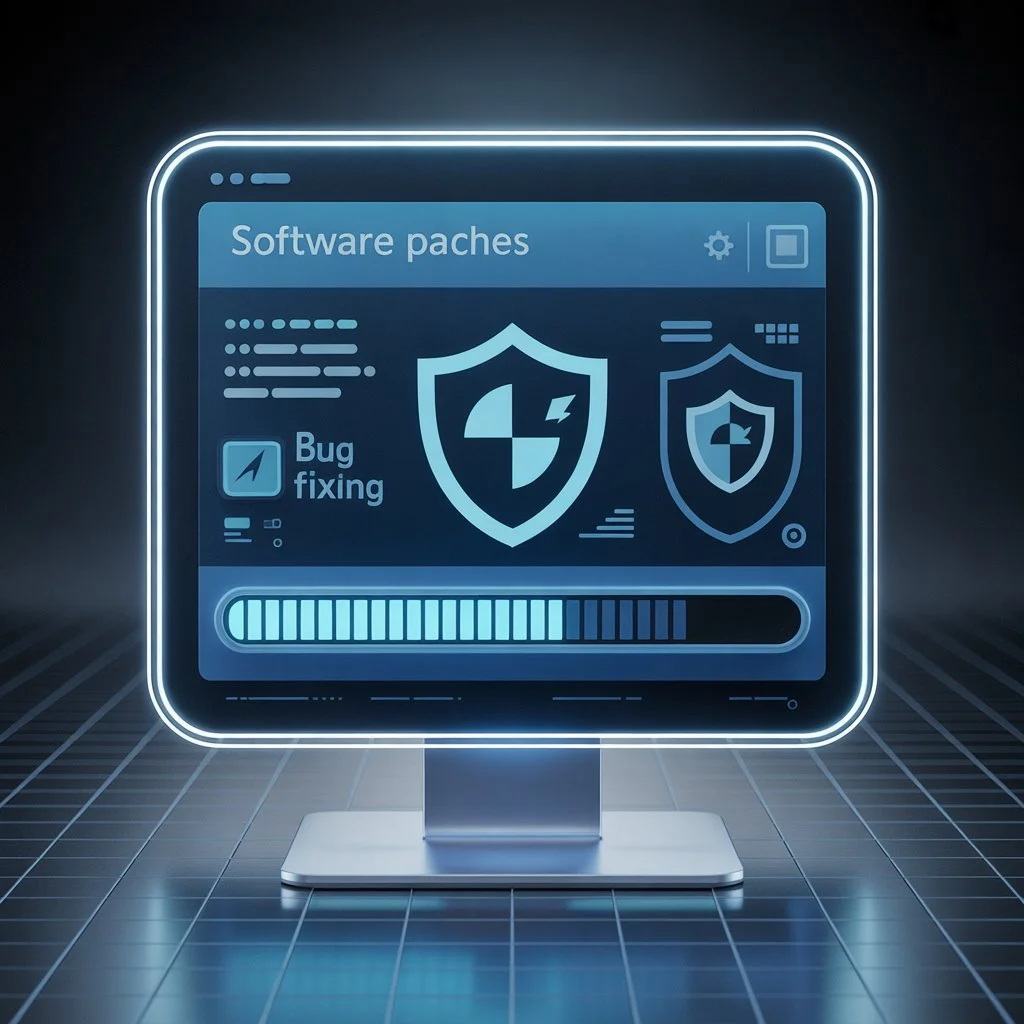
Software updates are an essential part of modern technology. Every application, operating system, or digital tool needs improvements over time. One of the most important parts of this improvement process is software patches techoelite.
These patches help developers fix bugs, improve security, and add new features. Without patches, software would become outdated and vulnerable to cyber threats. In today’s fast-moving digital world, keeping software updated is not just helpful but necessary.
This guide explains what software patches techoelite are, why they matter, and how they improve performance and security.
What Are Software Patches?
A software patch is a small update released by developers to fix issues in existing software. These issues can include security vulnerabilities, system errors, or performance problems.
Instead of releasing an entirely new version of the software, developers often release patches to solve specific problems quickly.
Common Problems Patches Fix
Software patches typically address several issues, such as:
- Security vulnerabilities
- Bugs or system errors
- Compatibility problems
- Performance issues
- Feature improvements
For example, if a program crashes when opening certain files, developers can release a patch that fixes the issue without requiring users to reinstall the entire program.
Understanding Software Patches Techoelite
The term software patches techoelite is commonly associated with platforms or discussions focused on technology updates and patch management.
It usually refers to guides, tools, or resources that help users understand and manage software patches more effectively.
Why Platforms Like Techoelite Matter
Technology websites and platforms often explain how patches work and why they are important. These platforms help users stay informed about:
- Latest software updates
- Security patch releases
- Patch installation guides
- Technology troubleshooting tips
This information is especially valuable for businesses, developers, and IT professionals.
Types of Software Patches
Not all patches are the same. Developers release different types depending on the issue they want to fix.
Security Patches
Security patches are released to fix vulnerabilities that hackers might exploit. These patches protect systems from cyber attacks.
For example, if a hacker discovers a weakness in an operating system, developers quickly release a security patch to close that gap.
Bug Fix Patches
Bug patches fix errors that cause software to behave incorrectly.
Examples include:
- Applications freezing
- Unexpected crashes
- Features not working properly
These patches improve user experience and system stability.
Feature Updates
Sometimes patches introduce small improvements or new functions.
While these updates may not be critical, they enhance usability and performance.
Compatibility Patches
Compatibility patches help software work smoothly with new devices, operating systems, or hardware.
For instance, when a new operating system is released, older software may require patches to remain compatible.
Why Software Patches Are Important
Many users ignore update notifications, but installing patches is crucial for several reasons.
Improved Security
Cybersecurity threats are constantly evolving. Hackers actively search for vulnerabilities in software.
When developers discover these weaknesses, they release patches to fix them. Installing these updates reduces the risk of malware, data theft, or system breaches.
Better Performance
Patches often improve software efficiency. Developers may optimize processes or remove unnecessary code to make programs run faster.
As a result, systems become more stable and responsive.
Bug Resolution
Even the best software can contain bugs. Patches help eliminate these issues and improve functionality.
Without regular updates, users may continue experiencing errors.
Longer Software Lifespan
Regular patches extend the life of software. Instead of replacing a program entirely, developers maintain it through updates.
This approach saves time and money for both users and companies.
How Software Patches Work
The patch development process usually follows several steps.
1. Identifying the Problem
Developers first detect a bug or vulnerability. This can happen through internal testing, security research, or user feedback.
2. Creating the Patch
Engineers write code to fix the issue. This code modifies specific parts of the software without affecting the entire system.
3. Testing the Patch
Before releasing the update, developers test it to ensure it solves the problem and does not create new issues.
4. Releasing the Patch
Once testing is complete, the patch is released to users through updates or downloads.
Patch Management Best Practices
Managing updates correctly is essential for both individuals and organizations.
Enable Automatic Updates
Automatic updates ensure patches are installed as soon as they are available. This reduces the risk of running outdated software.
Monitor Security Advisories
Technology websites, forums, and update platforms often announce important patches. Staying informed helps users act quickly.
Test Updates in Business Environments
Companies often test patches before installing them across their systems. This prevents compatibility issues with existing tools.
Maintain Backup Systems
Before installing major patches, it is wise to create backups. This ensures data safety in case something goes wrong.
Common Challenges in Patch Management
Although patches are essential, managing them can sometimes be difficult.
Update Fatigue
Users often receive frequent update notifications. This may lead to ignoring updates altogether.
However, skipping patches can expose systems to security risks.
Compatibility Problems
Some patches may conflict with existing software or hardware. Testing is important to avoid disruptions.
Delayed Installation
Many organizations delay patch installation due to operational concerns. Unfortunately, this delay can create security gaps.
Future of Software Patch Management
Technology continues to evolve rapidly. As software becomes more complex, patch management strategies are also improving.
Automated Patch Systems
Many modern systems now use automated tools to install patches without user intervention.
This approach ensures systems remain secure and updated.
Artificial Intelligence in Patch Detection
AI technologies are helping developers identify vulnerabilities faster.
AI tools can scan millions of lines of code to detect weaknesses before hackers exploit them.
Cloud-Based Updates
Cloud technology allows companies to deliver patches instantly across multiple devices.
This reduces update delays and improves overall system protection.
Best Tools for Managing Software Updates
Many tools help organizations manage patches efficiently.
Some commonly used patch management solutions include:
- Microsoft Patch Management tools
- SolarWinds Patch Manager
- ManageEngine Patch Manager Plus
- Ivanti Patch Management solutions
These tools automate patch installation, monitor vulnerabilities, and improve system security.
Tips for Individuals to Stay Updated
Even personal computer users should follow some basic update practices.
Keep Your Operating System Updated
Operating systems receive regular security patches. Always install them when available.
Update Applications Regularly
Programs like browsers, antivirus software, and productivity tools also require updates.
Remove Unused Software
Old programs that are no longer supported can become security risks.
Use Reliable Software Sources
Always download updates from official websites or trusted sources.
Conclusion
Software maintenance is a critical part of modern technology, and software patches techoelite play an important role in keeping systems secure and efficient.
Patches fix vulnerabilities, improve performance, and ensure compatibility with new technologies. Ignoring updates can expose systems to cyber threats and operational issues.
By understanding how patches work and following proper update practices, users and organizations can maintain stable, secure, and high-performing systems.
In an increasingly digital world, keeping software updated is one of the simplest yet most powerful ways to protect data and improve user experience.