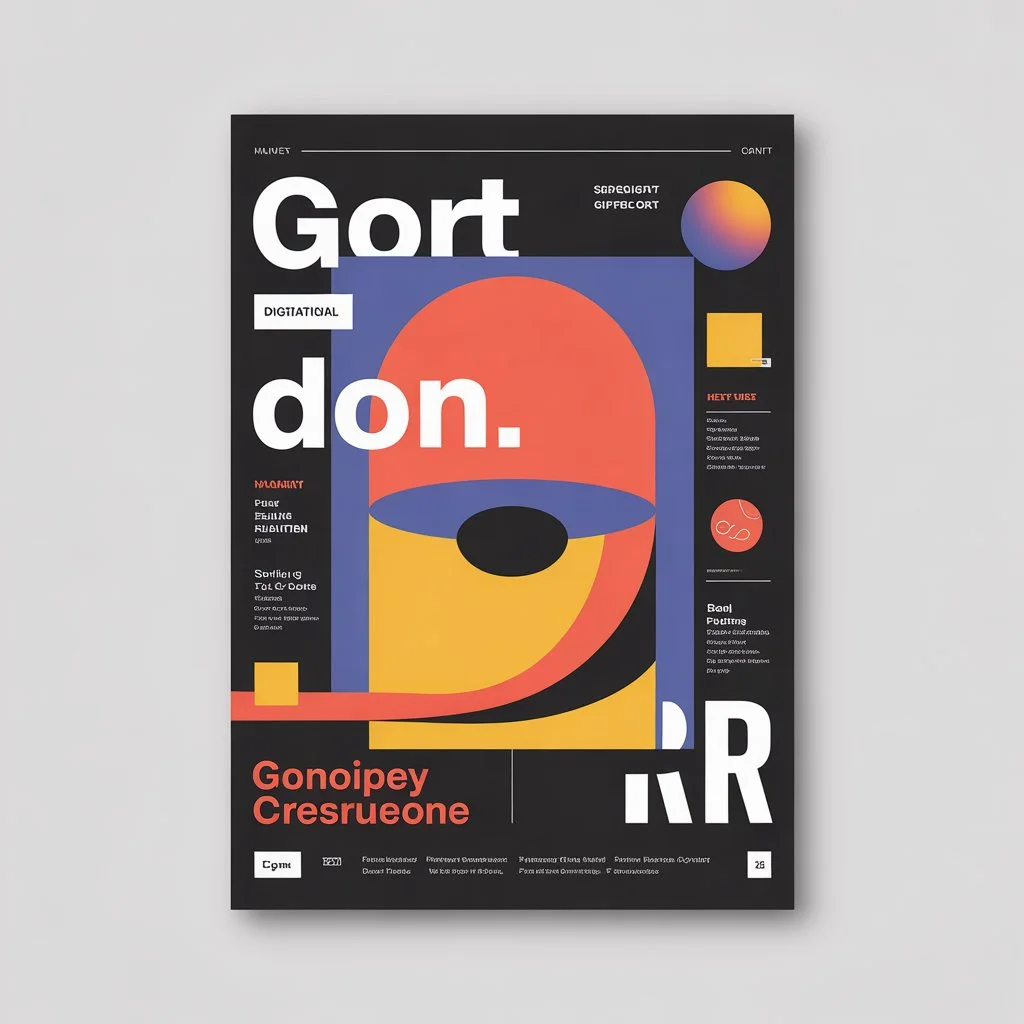
Posters are everywhere. You see them at events, in stores, on social media, and even on websites. But not every poster grabs attention.
If you want to understand how to design a poster graphic design GFXDigitational style, you must focus on strategy, layout, and clarity. A poster is not just decoration. It is communication.
In this guide, you will learn step-by-step how to design a professional poster that looks clean, modern, and effective.
Why Poster Design Still Matters
Even in a digital world, posters remain powerful.
They help promote:
- Events
- Products
- Services
- Campaigns
- Social causes
A strong poster delivers a message within seconds. If the design is confusing, people will ignore it. That is why learning how to design a poster graphic design GFXDigitational approach is important for designers, marketers, and business owners.
Step 1: Define Your Purpose Clearly
Before you open any design software, ask yourself one question:
What is this poster trying to achieve?
Is it promoting a sale?
Is it announcing a concert?
Is it building brand awareness?
When you understand the goal, the design becomes easier. Every color, font, and image should support that goal.
Step 2: Understand Your Target Audience
Design is not about what you like. It is about what your audience likes.
If your poster is for:
- Students, use bold and energetic colors.
- Corporate professionals, use clean and minimal layouts.
- Kids, use playful fonts and bright tones.
When learning how to design a poster graphic design GFXDigitational method, audience research is essential. It shapes your entire visual direction.
Step 3: Choose the Right Poster Size
Poster size affects layout and readability.
Common sizes include:
- A4 (small promotional posters)
- A3 (medium display posters)
- Large format prints for outdoor advertising
Always design in high resolution. Use at least 300 DPI for print quality.
Also, set the correct bleed and margins if the poster will be printed.
Step 4: Create a Strong Visual Hierarchy
Visual hierarchy means guiding the viewer’s eyes in the right order.
Your poster should answer these questions instantly:
- What is this about?
- When is it happening?
- Where is it happening?
- How can I take action?
Use Headline as the Focal Point
The headline should be the largest text element.
It must be bold, readable, and clear from a distance.
Use Subheading for Supporting Info
Subheadings explain the main headline.
Keep them smaller but still noticeable.
Body Text Should Be Minimal
Posters are not blogs.
Avoid long paragraphs. Use short lines and bullet points.
This structure is key when mastering how to design a poster graphic design GFXDigitational layout.
Step 5: Pick the Right Fonts
Typography can make or break your poster.
Limit Font Choices
Use 2 or 3 fonts maximum:
- One for headline
- One for body text
- Optional accent font
Too many fonts create confusion.
Ensure Readability
Avoid decorative fonts for long text.
Always check spacing, line height, and alignment.
Simple typography increases professionalism and improves readability.
Step 6: Use Colors Strategically
Color creates emotion.
Red feels urgent.
Blue feels trustworthy.
Yellow feels energetic.
Follow the 60-30-10 Rule
- 60% primary color
- 30% secondary color
- 10% accent color
This balance keeps your design clean.
Maintain Contrast
Make sure text stands out from the background.
Light text on light background reduces readability.
Contrast is a major principle in how to design a poster graphic design GFXDigitational professionally.
Step 7: Use High-Quality Images and Graphics
Low-resolution images destroy design quality.
Always:
- Use high-resolution images
- Avoid pixelated graphics
- Use vector elements when possible
Choose One Clear Focal Image
Do not overload your poster with too many pictures.
One strong image is better than five weak ones.
Maintain Consistent Style
If you use illustrations, do not mix them with random stock photos.
Keep a consistent design theme.
Step 8: Use Grid System for Alignment
Alignment makes your poster look professional.
A grid system helps you:
- Maintain spacing
- Align text and images
- Create balance
Design software like Adobe Illustrator, Photoshop, or Canva provides grid and alignment tools.
When learning how to design a poster graphic design GFXDigitational structure, grid usage is a must.
Step 9: Add a Clear Call to Action
Every poster should tell people what to do next.
Examples:
- Register Now
- Buy Tickets
- Visit Website
- Call Today
Make the call to action bold and noticeable.
Place it near the bottom or center area depending on layout flow.
Step 10: Review and Test Before Finalizing
Never publish your design immediately.
Ask yourself:
- Is the message clear in 5 seconds?
- Is the headline readable from a distance?
- Are contact details visible?
- Is the design cluttered?
You can also show the poster to someone else and ask for feedback.
Refinement is the final step in mastering how to design a poster graphic design GFXDigitational effectively.
Common Poster Design Mistakes to Avoid
Too Much Text
People do not read long blocks on posters.
Poor Contrast
Text blending into background is a common issue.
No Clear Focus
If everything is bold, nothing stands out.
Ignoring Margins
Important content too close to edges may get cut during printing.
Avoiding these mistakes improves overall impact.
Tools You Can Use for Poster Design
Here are popular tools:
- Adobe Illustrator
- Adobe Photoshop
- Canva
- Figma
Beginners can start with Canva.
Advanced designers prefer Illustrator for vector precision.
Digital vs Print Poster Design
Designing for social media is different from print.
Digital Posters
- RGB color mode
- Optimized resolution for screens
- Smaller file size
Print Posters
- CMYK color mode
- 300 DPI resolution
- Proper bleed settings
Understanding this difference helps you apply how to design a poster graphic design GFXDigitational across different platforms.
Final Thoughts
Designing a poster is not difficult.
But designing an effective poster requires planning, clarity, and balance.
When you follow these steps:
- Define your goal
- Understand your audience
- Use hierarchy
- Choose proper fonts
- Apply balanced colors
- Maintain alignment
- Add strong call to action
You can create posters that grab attention and drive results.
Learning how to design a poster graphic design GFXDigitational is about combining creativity with structure. Once you master these principles, you can design posters for events, businesses, and digital campaigns confidently.
Keep practicing. Review professional posters. Improve your layouts. Over time, your designs will look cleaner, smarter, and more powerful.