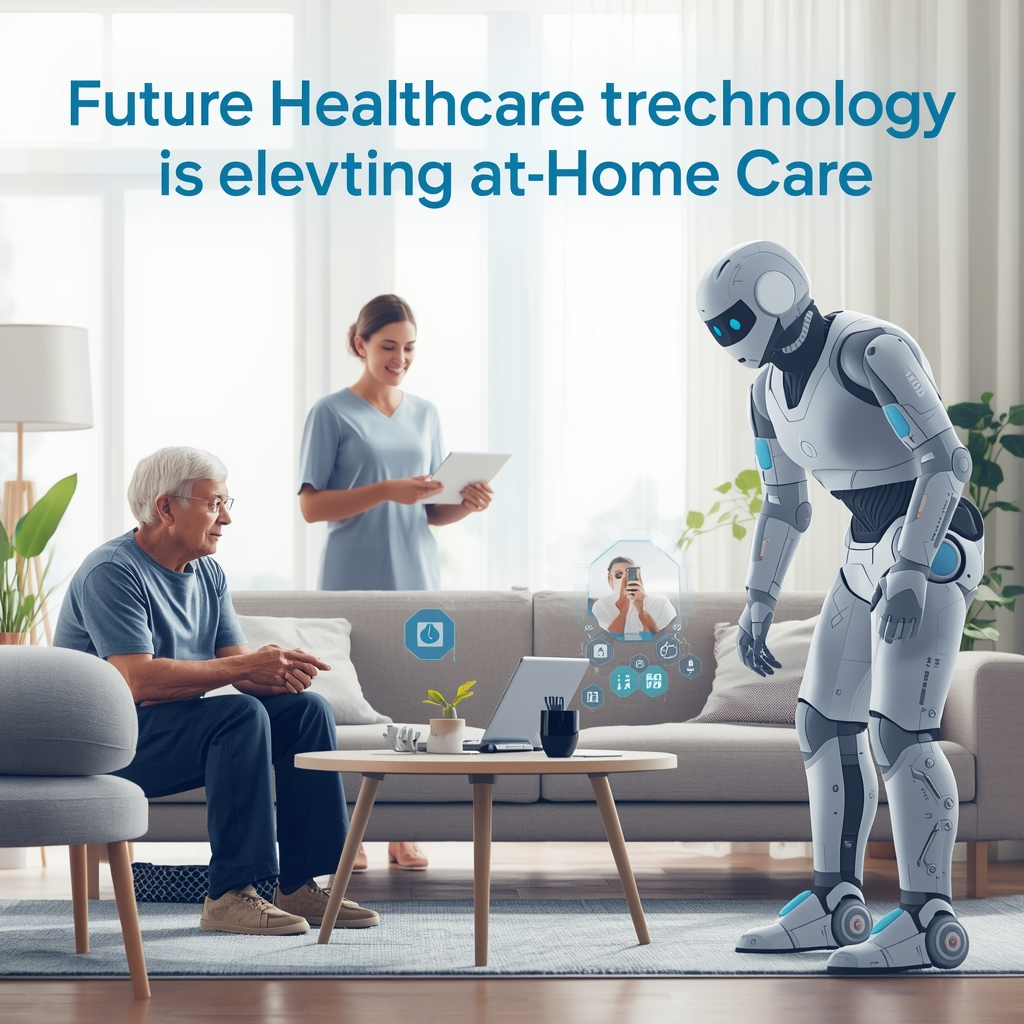
Home healthcare has always been a vital part of modern medicine, offering patients the comfort of receiving care without leaving their homes. Yet, the rise of advanced healthcare technologies is transforming the way at-home care is delivered, making it smarter, faster, and more efficient than ever before. From remote monitoring to AI-assisted devices, the future of home healthcare is reshaping the patient experience.
The Rise of Smart Healthcare Devices
The first major change in at-home care comes from smart devices. These are tools designed to monitor health conditions in real-time, reducing the need for frequent hospital visits.
Wearable Health Monitors
Wearables such as smartwatches and sensor-enabled patches track vital signs like heart rate, blood pressure, oxygen levels, and glucose levels. This data is automatically sent to healthcare providers, allowing timely interventions if any abnormal readings are detected. Patients benefit from continuous monitoring without feeling restricted.
AI-Powered Medical Assistants
AI-powered devices now help patients manage daily medication, schedule appointments, and even answer health-related questions. Virtual assistants can remind patients to take medications on time, ensuring adherence to prescribed treatments and preventing potential health complications.
Remote Monitoring and Telemedicine
Remote patient monitoring and telemedicine are now central to the evolution of at-home care. These technologies enable healthcare professionals to stay connected with patients, no matter where they are.
Telemedicine Consultations
Through secure video calls, patients can consult specialists from their homes. This saves time, reduces travel stress, and ensures timely care. Telemedicine is particularly beneficial for elderly patients and those with mobility challenges.
Remote Health Monitoring Systems
Advanced monitoring systems use sensors and cloud technology to track patient conditions continuously. Alerts are sent to doctors or caregivers if any irregularity is detected, allowing early interventions. For example, wearable devices can detect irregular heart rhythms and notify both the patient and healthcare provider immediately.
Robotics and Automation in At-Home Care
Robotics is another frontier changing home healthcare. Robots assist both caregivers and patients with tasks that were previously labor-intensive.
Companion Robots
Companion robots provide emotional support, remind patients about daily routines, and monitor their safety. These robots can interact naturally with patients, offering a combination of care and companionship, which is crucial for mental health.
Automated Medication Dispensers
These devices ensure that patients take the right medication at the right time, reducing the chances of human error. Many dispensers are now connected to apps that notify caregivers about missed doses, ensuring accountability and safety.
Data-Driven Personalized Care
The integration of Big Data and AI analytics is allowing home healthcare to become highly personalized. By analyzing historical health data, predictive models can anticipate health issues before they become severe.
Predictive Analytics for Chronic Diseases
Patients with chronic illnesses such as diabetes or heart disease can benefit from predictive algorithms. These systems identify patterns in patient data and suggest lifestyle adjustments, therapy changes, or interventions proactively.
Tailored Wellness Programs
AI-driven platforms can create personalized wellness programs based on the patient’s medical history, lifestyle, and goals. This approach not only improves health outcomes but also empowers patients to take an active role in their own care.
Benefits of Advanced At-Home Healthcare Technology
The adoption of cutting-edge technology in home care offers numerous benefits:
- Convenience: Patients receive high-quality care without traveling.
- Safety: Continuous monitoring reduces emergencies and hospitalization risks.
- Efficiency: Healthcare providers can manage more patients effectively.
- Cost-Effectiveness: Preventive care and reduced hospital stays save money for both patients and healthcare systems.
- Empowerment: Patients gain more control over their health and wellness journey.
Challenges to Overcome
While technology is enhancing at-home care, some challenges remain:
- Data Privacy: Handling sensitive health data requires robust security measures.
- Accessibility: High-tech solutions can be expensive or inaccessible in rural areas.
- Technical Literacy: Patients must understand how to use devices and platforms effectively.
- Integration: Ensuring seamless communication between multiple devices and healthcare providers can be complex.
The Future Outlook
The trajectory of home healthcare is exciting. With ongoing innovations in AI, IoT, and robotics, at-home care is becoming more proactive, personalized, and patient-friendly. By addressing current challenges, healthcare providers can ensure a system that is not only advanced but also inclusive and secure.
In essence, future healthcare technology is elevating at-home care by making it smarter, safer, and more connected than ever before. Patients now have the tools and support to live healthier, more independent lives, and the healthcare system benefits from improved efficiency and outcomes.