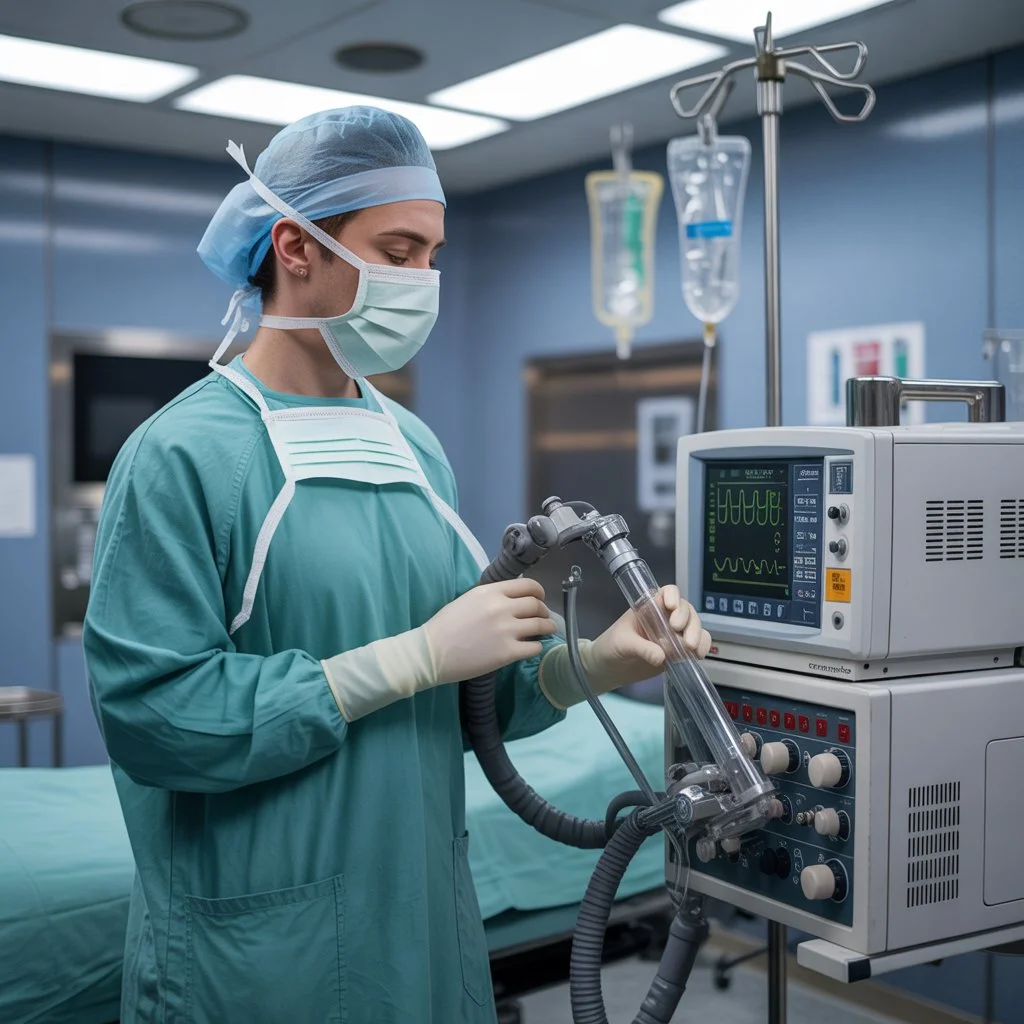
An anesthesia tech plays a critical role in modern healthcare by supporting anesthesiologists and ensuring patient safety before, during, and after surgical procedures. This profession combines technical knowledge, medical awareness, and hands-on patient care, making it an essential part of operating rooms and surgical centers.
This article provides a complete, well-researched guide on anesthesia tech careers, including duties, education, skills, salary, work environment, and future opportunities. The content is written in simple, clear English and is fully original.
What Is an Anesthesia Tech?
An anesthesia tech, also known as an anesthesia technician or anesthesia technologist, is a trained healthcare professional who assists anesthesiologists, nurse anesthetists, and anesthesiology teams. Their primary responsibility is to prepare and maintain anesthesia equipment and supplies so procedures run smoothly and safely.
Anesthesia tech professionals do not administer anesthesia themselves. Instead, they focus on technical and clinical support that allows anesthesia providers to concentrate on patient care.
Role of an Anesthesia Tech in Healthcare
The role of an anesthesia tech is vital in surgical and diagnostic procedures. Without proper equipment setup and monitoring, anesthesia delivery could become unsafe or delayed.
An anesthesia tech ensures that all anesthesia-related tools are clean, calibrated, and functioning correctly. They also help manage emergency situations by preparing medications and airway equipment quickly.
Daily Responsibilities of an Anesthesia Tech
Preparing Anesthesia Equipment
An anesthesia tech is responsible for setting up anesthesia machines, ventilators, monitors, and infusion pumps. They check oxygen levels, gas flow, and machine calibration before surgery begins.
Assisting During Surgical Procedures
During operations, anesthesia techs stay available to provide additional supplies, replace equipment, and assist with adjustments requested by the anesthesiologist.
Maintaining Sterility and Safety
They clean and sterilize anesthesia tools according to hospital protocols. This helps prevent infections and ensures compliance with safety standards.
Supporting Patient Care
An anesthesia tech may help position patients, transport them to recovery rooms, and monitor vital signs under supervision.
Inventory and Documentation
Managing anesthesia supplies, ordering replacements, and maintaining accurate records are also part of the job.
Difference Between Anesthesia Tech and Anesthesia Technologist
Although often used interchangeably, there is a difference between these roles.
An anesthesia tech usually completes a certificate or diploma program and focuses on technical support tasks.
An anesthesia technologist typically holds an associate or bachelor’s degree and has broader responsibilities, including advanced equipment management and leadership duties.
Education and Training Requirements
Minimum Education
To become an anesthesia tech, a high school diploma or equivalent is required. Most employers prefer candidates who have completed a formal anesthesia technology program.
Certification Programs
Many anesthesia techs earn certification through recognized organizations. Certification improves job prospects and demonstrates professional competence.
On-the-Job Training
Hospitals often provide hands-on training to familiarize new anesthesia techs with specific equipment and procedures.
Essential Skills for an Anesthesia Tech
Technical Skills
An anesthesia tech must understand how anesthesia machines, monitors, and airway devices work. Troubleshooting equipment issues is a key skill.
Attention to Detail
Even small errors in setup can affect patient safety. Accuracy and focus are critical.
Communication Skills
Anesthesia techs must communicate clearly with anesthesiologists, nurses, and surgeons to ensure smooth operations.
Physical Stamina
The job may require standing for long periods, lifting equipment, and responding quickly in emergencies.
Emotional Control
Remaining calm under pressure is essential, especially during urgent surgical situations.
Work Environment and Schedule
An anesthesia tech typically works in hospitals, surgical centers, dental clinics, and outpatient facilities. Some also work in trauma centers and emergency departments.
Work schedules can include nights, weekends, and on-call shifts, especially in hospitals that operate 24/7. Flexibility is important in this profession.
Salary and Job Outlook
Average Salary
The salary of an anesthesia tech varies based on location, education, experience, and facility type. On average, anesthesia techs earn a stable and competitive income compared to other allied health roles.
Entry-level anesthesia techs earn less, while certified and experienced professionals can earn significantly more.
Job Growth
Demand for anesthesia tech professionals is expected to grow as surgical procedures increase due to aging populations and medical advancements. This makes it a promising career with long-term stability.
Advantages of Choosing an Anesthesia Tech Career
An anesthesia tech career offers several benefits.
It provides a fast entry into the healthcare field without requiring many years of medical school.
Job security is strong due to ongoing demand in hospitals and surgical centers.
The role offers hands-on experience in high-level medical environments.
It can serve as a stepping stone to advanced healthcare careers such as anesthesia technologist, nurse anesthetist, or other clinical roles.
Challenges Faced by Anesthesia Techs
Like any healthcare job, being an anesthesia tech has challenges.
The work environment can be stressful, especially during emergency surgeries.
Long hours and irregular shifts may affect work-life balance.
Strict attention to protocols and safety standards is required at all times.
Despite these challenges, many professionals find the role rewarding due to its importance in patient care.
Career Advancement Opportunities
Becoming an Anesthesia Technologist
With further education, an anesthesia tech can advance to a technologist role with higher responsibilities and pay.
Specialization
Some anesthesia techs specialize in areas such as cardiac anesthesia, pediatric anesthesia, or trauma care.
Transition to Other Healthcare Roles
Experience as an anesthesia tech can help professionals move into nursing, surgical technology, or healthcare management roles.
How to Become an Anesthesia Tech Step by Step
First, complete high school education with a focus on science subjects.
Next, enroll in an accredited anesthesia tech training program.
Gain hands-on experience through clinical training or internships.
Obtain professional certification if available in your region.
Apply for entry-level positions in hospitals or surgical centers.
Continue learning to advance your career.
Importance of Anesthesia Techs in Patient Safety
An anesthesia tech directly contributes to patient safety by ensuring anesthesia delivery systems work correctly. Their preparation and support reduce risks during surgery and help prevent complications.
They act as a technical backbone of the anesthesia team, allowing medical professionals to focus fully on patient monitoring and care.
Future Scope of Anesthesia Tech Profession
The future of the anesthesia tech profession looks positive. With advancements in surgical techniques and anesthesia technology, skilled technicians will remain in demand.
As healthcare systems expand and modernize, the need for trained anesthesia support staff will continue to rise, making this career both relevant and secure.
Conclusion
An anesthesia tech is a vital healthcare professional who supports anesthesia teams and ensures patient safety during medical procedures. This career offers stability, growth, and meaningful work without the long educational path of doctors or nurses.
For individuals interested in healthcare, technology, and patient care, becoming an anesthesia tech can be a smart and rewarding career choice.