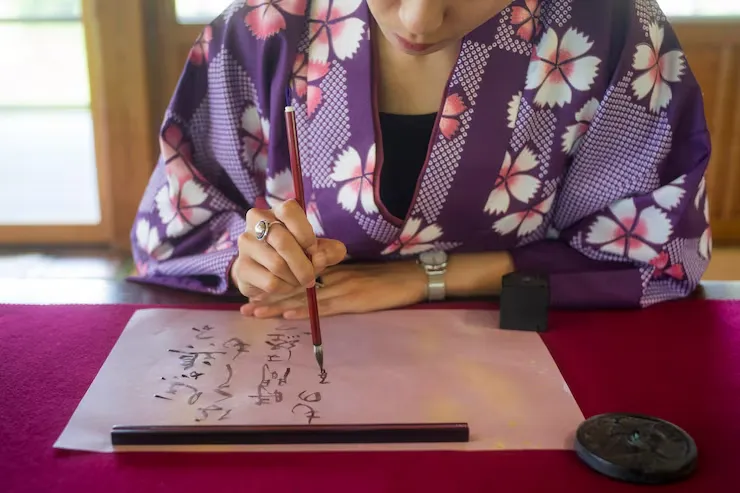
Haikus, the concise and evocative form of Japanese poetry, have captivated poets and readers for centuries. With just 17 syllables, this minimalist art form offers a profound way to express emotions and capture the transient beauty of nature. As technology evolves, so too does our approach to haiku writing. Enter MyHaiku—a modern avenue for both traditional and innovative haiku creation. Whether you’re a seasoned poet or a curious beginner, this guide will empower you to write, appreciate, and share haikus with confidence and creativity.
What is MyHaiku?
MyHaiku is more than just a concept; it’s an emerging trend that blends the timeless art of haiku with contemporary tools and platforms. These digital tools facilitate the creation, sharing, and community-building aspects of haiku poetry, making it accessible to a global audience. From apps to online communities, MyHaiku represents the intersection of tradition and technology.
Haiku Apps and Digital Tools
With the rise of digital platforms, several apps and tools have been developed to assist poets in crafting haikus. These applications often feature syllable counters, inspiration prompts, and sharing capabilities. Notable examples include the HaikuJAM app, which encourages collaborative haiku writing, and Penzu, a digital journal that allows for private haiku reflections.
How to Write a Haiku
Writing a haiku may seem simple, but achieving the perfect balance of syllables and imagery requires practice and patience. Here’s a step-by-step guide to help you master this poetic form:
Understanding Haiku Structure
A traditional haiku consists of three lines with a 5-7-5 syllable pattern. This structure, deeply rooted in Japanese literature, emphasizes brevity and clarity. The first line has five syllables, the second seven, and the third five. This syllabic constraint encourages poets to choose their words carefully, focusing on vivid imagery and emotional resonance.
Step-by-Step Guide
- Choose a Theme: Haikus often revolve around nature or seasons, reflecting the fleeting moments of life. Consider themes that resonate with you personally.
- Create an Image: Use descriptive language to paint a picture in the reader’s mind. Focus on sensory details.
- Count Your Syllables: Adhere to the 5-7-5 structure for a traditional haiku. Consider experimenting with variations in modern haikus.
- Incorporate a Kigo: A kigo, or season word, helps set the time and context of the haiku. This can be explicit or implied.
- Use a Kiru: The kiru, or cutting word, introduces a pause or contrast, adding depth to the poem.
Examples of Haikus
To better understand the beauty of haikus, let’s explore some examples:
Traditional Haiku
Consider this example from Matsuo Bashō, a revered haiku master:
An old silent pond…
A frog jumps into the pond—
Splash! Silence again.
Modern Haiku
Modern haikus often deviate from strict syllable counts, focusing instead on capturing a moment:
City lights flicker—
an echo of distant stars
in the night sky.
Benefits of Writing Haikus
Engaging in haiku writing offers numerous benefits beyond artistic expression. It fosters mindfulness, encourages keen observation, and enhances language skills. Additionally, haiku writing can serve as a meditative practice, promoting mental clarity and emotional well-being.
Tips for Beginners
Starting your haiku journey? Here are some practical tips to guide you:
- Read Widely: Familiarize yourself with classic and contemporary haikus to understand different styles and techniques.
- Practice Regularly: Like any skill, consistent practice will improve your ability to craft powerful haikus.
- Join a Community: Engage with other haiku enthusiasts through online forums or local workshops to gain feedback and inspiration.
- Embrace Simplicity: Focus on clear, concise language that evokes strong imagery and emotion.
Cultural Impact of Haiku
Haikus hold a significant place in Japanese culture and have influenced poets worldwide. Originally part of the haikai tradition, haikus have evolved, incorporating elements from various cultures and artistic movements. Today, they are celebrated in global events like Global Haiku Day and featured in educational settings to teach creative writing and cultural appreciation.
Advanced Haiku Techniques
For those looking to deepen their haiku practice, consider exploring advanced techniques:
Incorporating Kigo and Kiru
The use of kigo and kiru can add layers of meaning and complexity to your haikus. Experiment with these elements to create contrast and enhance thematic depth.
Exploring Haibun and Senryu
Haibun and senryu are related poetic forms that offer new avenues for expression. Haibun combines prose and haiku, while senryu focuses on human nature and often includes humor or satire.
FAQs
What is the structure of a traditional haiku?
A traditional haiku consists of three lines with a 5-7-5 syllable structure, focusing on nature and seasonal themes.
How do haikus differ from other forms of poetry?
Haikus are defined by their brevity and specific syllable structure, contrasting with more expansive forms of poetry. They emphasize simplicity, clarity, and the present moment.
Can haikus be longer than three lines?
While traditional haikus are three lines, modern variations may deviate from this structure, focusing instead on capturing a moment or emotion succinctly.
What are some famous haiku examples?
Famous haikus include Matsuo Bashō’s “An old silent pond…” and Yosa Buson’s “A sudden shower falls…” These works exemplify the power of haiku to evoke vivid imagery and emotion.
Are there haiku writing competitions?
Yes, there are numerous haiku competitions worldwide, offering poets the opportunity to showcase their work and gain recognition. These competitions often celebrate both traditional and modern haikus.
Whether you’re looking to refine your poetic skills or simply appreciate the beauty of haikus, MyHaiku offers a gateway to a rich and rewarding literary tradition. Embrace the simplicity and depth of haiku writing, and let your creativity flourish.