Introduction
The way we use technology is changing fast. For over a decade, smartphones have been the center of our digital lives. From communication to entertainment, everything fits in our pockets. However, a new shift is happening. Today, tech giants envision future beyond smartphones, focusing on more immersive, seamless, and intelligent experiences.
Companies like Apple, Google, Meta, and Microsoft are investing heavily in next-generation technologies. These innovations aim to reduce our dependence on smartphones and redefine how we interact with the digital world.
In this article, we will explore what this future looks like, the technologies driving it, and what it means for everyday users.
Why Move Beyond Smartphones?
Limitations of Smartphones
Smartphones are powerful, but they come with limits. Small screens, battery constraints, and constant distractions affect user experience. People also spend too much time looking down at their devices, which impacts productivity and health.
As technology evolves, users expect more natural and seamless interactions. This is one reason why tech giants envision future beyond smartphones.
Changing User Behavior
Modern users want convenience without friction. Voice commands, gestures, and automation are becoming more popular. Instead of tapping screens, people prefer interacting naturally with devices.
This shift is pushing companies to create products that fit into daily life without requiring constant attention.
The Rise of Wearable Technology
Smart Glasses
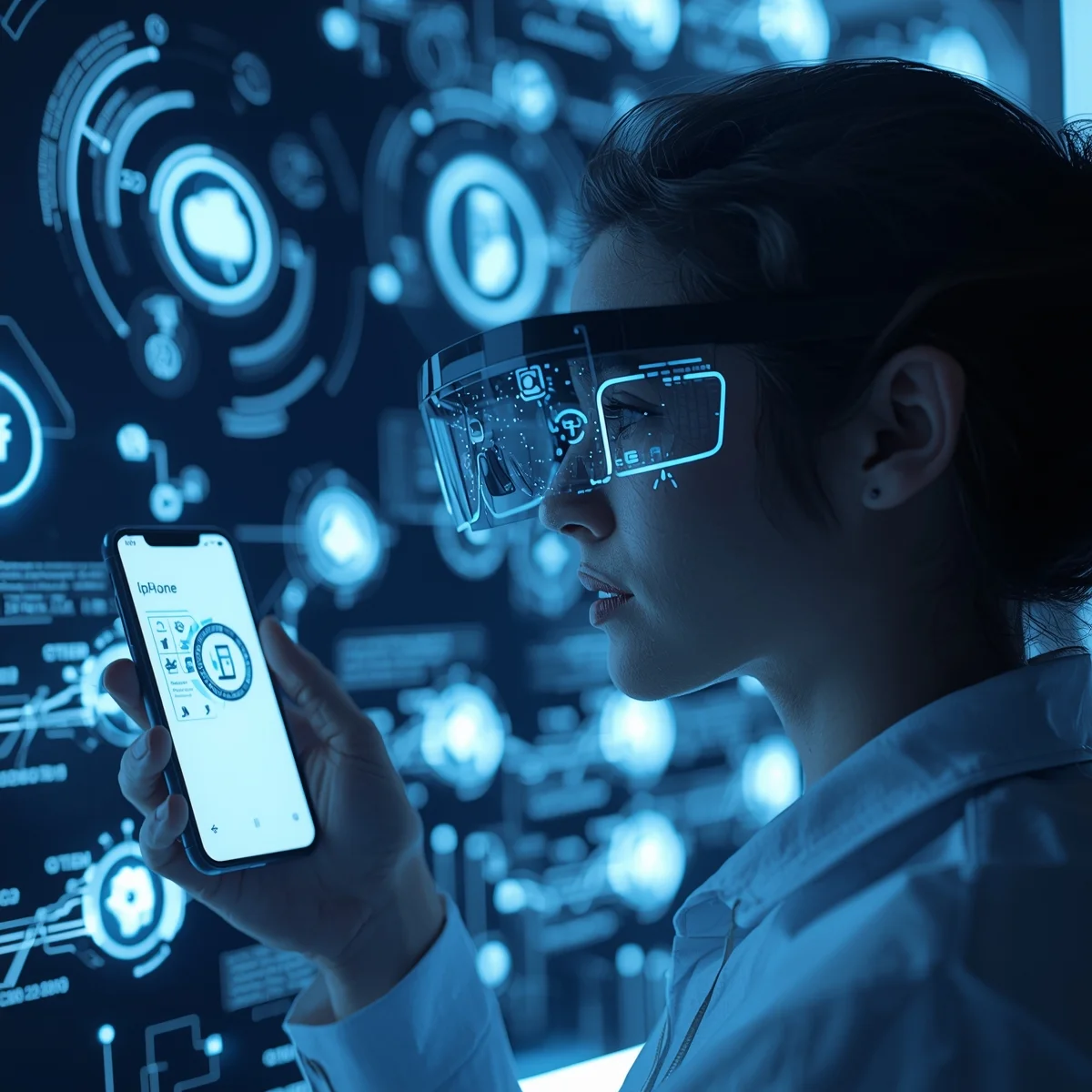
Smart glasses are one of the most promising alternatives to smartphones. Devices like those developed by Meta and Apple aim to overlay digital information onto the real world.
These glasses can display messages, navigation, and notifications directly in front of your eyes. This reduces the need to check your phone repeatedly.
Smartwatches and Health Devices
Wearables such as smartwatches are already popular. Companies like Apple and Samsung are improving health tracking features.
In the future, these devices may replace many smartphone functions. You could make calls, track fitness, and manage tasks directly from your wrist.
Augmented Reality and Virtual Reality
Augmented Reality (AR)
AR blends digital content with the real world. Instead of looking at a phone screen, users interact with digital elements in their environment.
For example, you could see directions on the road while walking or view product details while shopping in a store. This makes experiences more interactive and useful.
Virtual Reality (VR)
VR creates fully immersive digital environments. Companies like Meta and Sony are investing in VR headsets for gaming, work, and social interaction.
In the future, VR could replace video calls and even office spaces, allowing people to meet in virtual environments.
Artificial Intelligence at the Core
Smarter Assistants
AI is playing a major role in shaping the future. Virtual assistants are becoming more intelligent and proactive.
Google Assistant and Amazon Alexa are already capable of handling tasks like setting reminders and controlling smart homes. Future AI systems will understand context better and make decisions on behalf of users.
Personalized Experiences
AI will deliver highly personalized experiences. Devices will learn user habits and preferences, making interactions faster and more efficient.
Instead of searching manually, your device might suggest what you need before you ask.
The Role of Ambient Computing
What is Ambient Computing?
Ambient computing refers to technology that blends into the background. It works quietly without requiring direct interaction.
For example, lights adjusting automatically or reminders appearing at the right time without being triggered.
Real-World Applications
Companies like Google are working on creating ecosystems where devices communicate with each other. Your home, car, and wearable devices will work together seamlessly.
This reduces the need for a central device like a smartphone.
Brain-Computer Interfaces
A New Way to Interact
One of the most futuristic ideas is brain-computer interfaces. These systems allow users to control devices using their thoughts.
Neuralink is one of the companies exploring this space. While still in early stages, this technology could completely eliminate the need for physical devices.
Potential Impact
If successful, this could revolutionize how we communicate and interact with technology. Tasks could be completed instantly without touching any device.
Foldable and Flexible Devices
Transitional Technology
Before fully moving beyond smartphones, we are seeing transitional devices like foldable phones. Companies like Samsung are leading this trend.
These devices offer larger screens while remaining portable. They bridge the gap between smartphones and future technologies.
What Comes Next?
Flexible displays could lead to entirely new device formats. Screens might be embedded into clothing or other everyday objects.
Challenges in Moving Beyond Smartphones
Privacy Concerns
As devices become more integrated into daily life, privacy becomes a major concern. Constant data collection raises questions about security and control.
Users need transparency and strong protections to trust these technologies.
Cost and Accessibility
New technologies are often expensive. Not everyone can afford advanced wearables or AR devices.
For widespread adoption, companies must make these technologies affordable.
Technical Limitations
Battery life, processing power, and connectivity are still challenges. Developers must solve these issues to create reliable alternatives to smartphones.
What This Means for the Future
A More Connected World
The future will be more connected than ever. Devices will communicate seamlessly, creating a smooth and efficient user experience.
Instead of relying on a single device, users will interact with multiple connected systems.
Less Screen Dependency
One major benefit is reduced screen time. Users will no longer need to stare at small screens all day.
This could improve productivity, focus, and overall well-being.
New Opportunities
As tech giants envision future beyond smartphones, new industries and job opportunities will emerge. Developers, designers, and engineers will play key roles in shaping this future.
Conclusion
The shift away from smartphones is not immediate, but it is already underway. With innovations in wearables, AR, AI, and ambient computing, the way we interact with technology is evolving.
Tech giants envision future beyond smartphones where devices are smarter, more intuitive, and seamlessly integrated into daily life. While challenges remain, the potential benefits are significant.
The smartphone may not disappear overnight, but its dominance is slowly fading. The next era of technology is about creating experiences that feel natural, effortless, and deeply connected.